Poured Into Focus: Photographing for Decanter
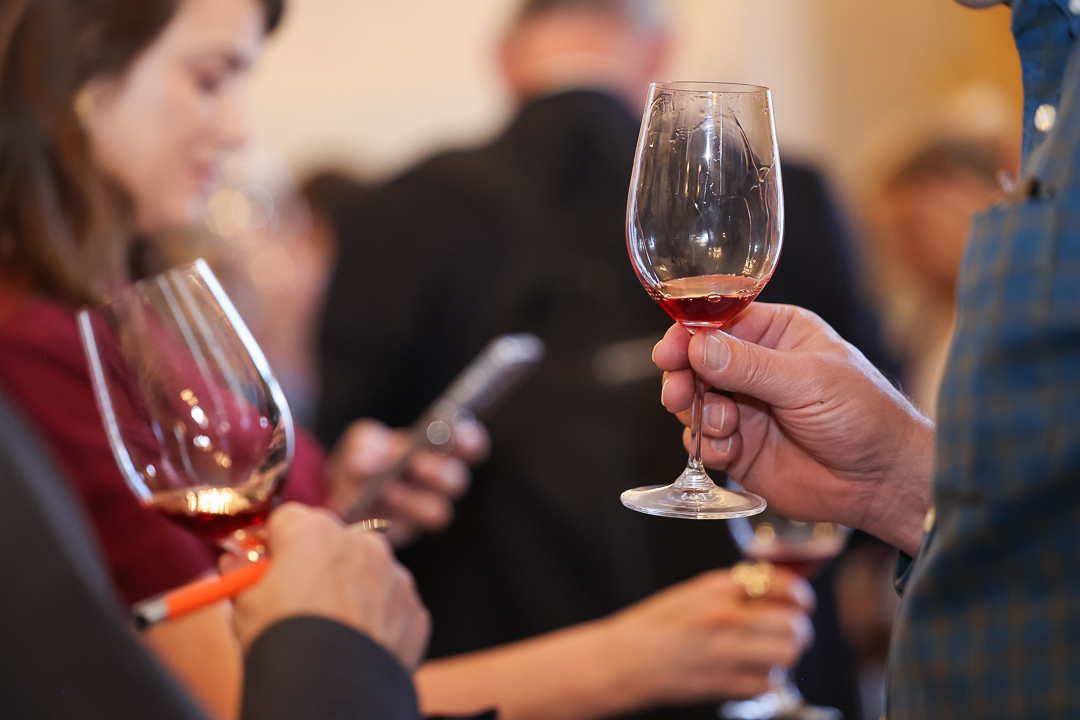
Photographing For Decanter
There’s a unique rhythm to wine events and this photographing wine events.
Unlike fast-paced commercial launches or loud corporate networking evenings, wine seminars and tastings are built around detail, conversation, texture and atmosphere. The photography has to reflect that balance — documenting the people in the room while also capturing the craft behind the wine itself.
My approach to photographing wine events combines editorial storytelling with natural event coverage, shaped by experience working within events, including commissioned work for Decanter Magazine.
Why Wine Events Require a Different Photography Approach
Wine photography sits somewhere between event photography, documentary storytelling and product photography.
It’s not simply about photographing people holding glasses. The best wine imagery captures:
- atmosphere and ambience
- interaction and conversation
- tasting rituals and presentation
- the textures of bottles, glassware and tablescapes
- branding and venue details
- genuine moments of engagement between sommeliers, producers and guests
Wine audiences are highly visual and detail-oriented. Lighting, composition and authenticity matter.
That means working carefully with available light, preserving the natural mood of the venue, and understanding how reflective surfaces such as bottles and stemware behave on camera. Natural light and subtle directional lighting are particularly important in wine photography, helping retain warmth, texture and authenticity in the final images. I would normally use flash in darker venues, but try not to do this when shooting wine or gastronomy (unless absolutely necessary).
Editorial Storytelling Meets Live Event Coverage
My background in editorial and event photography heavily influences how I approach live events.
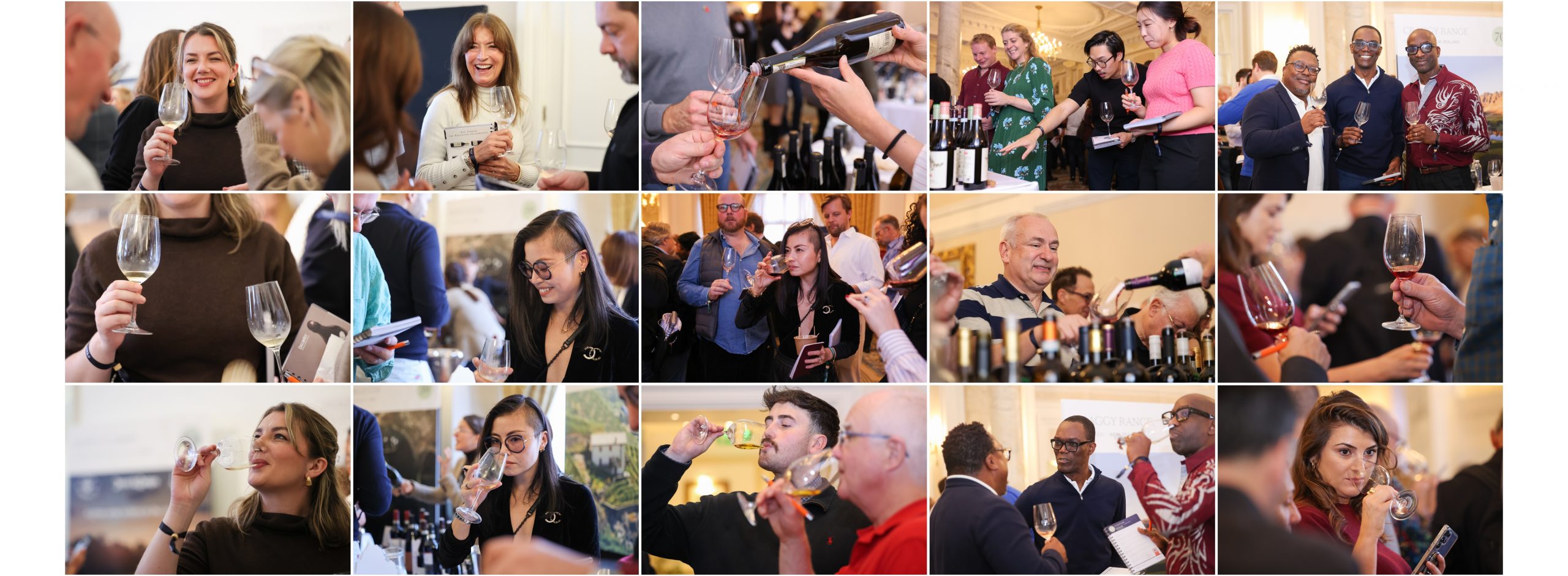
When photographing seminars, tastings and hospitality experiences, I focus on creating imagery that feels immersive and observational rather than overly staged. This creates a gallery of photographs that work equally well for:
- social media coverage
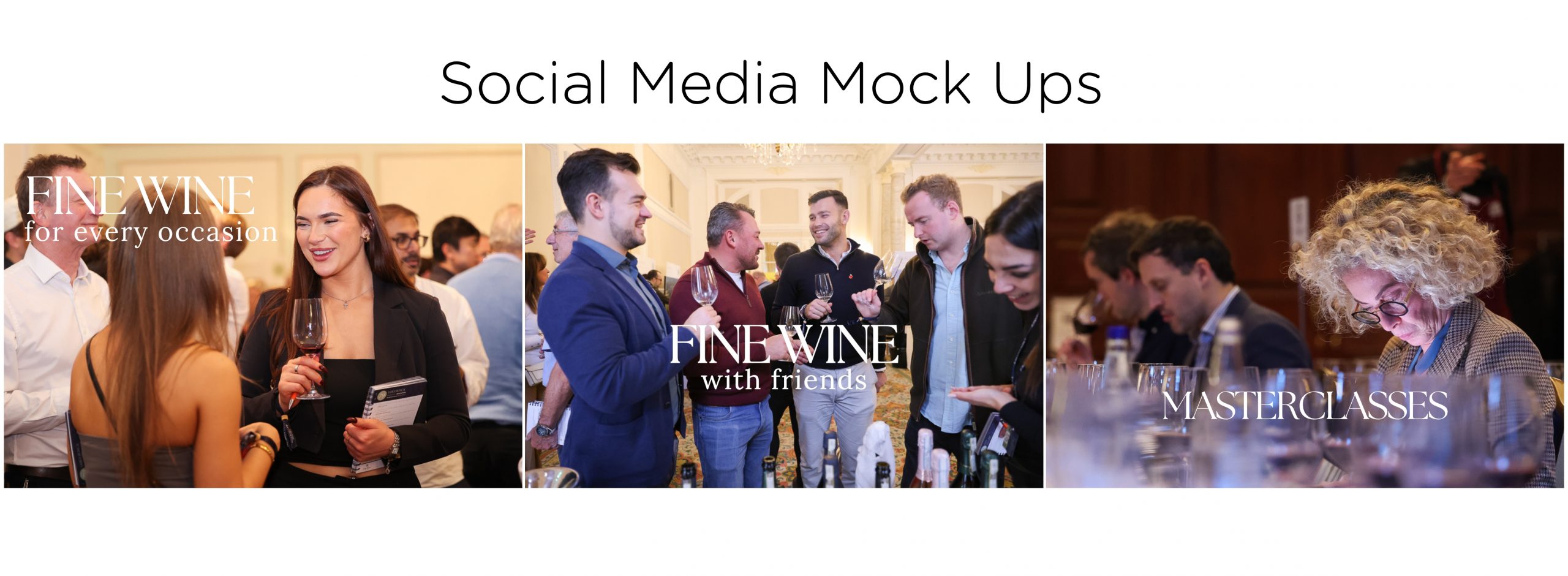
Wine Photography by Lensi Photography (social media mock ups) - PR and press releases
- hospitality marketing
- magazine features
- future event promotion
- sponsor and partner reporting
Working with Decanter gave me insight into how wine audiences engage visually with content — from close-up tasting details to wider environmental storytelling.
Rather than relying purely on posed photographs, I document the small moments that communicate expertise and atmosphere:
- sommeliers in discussion
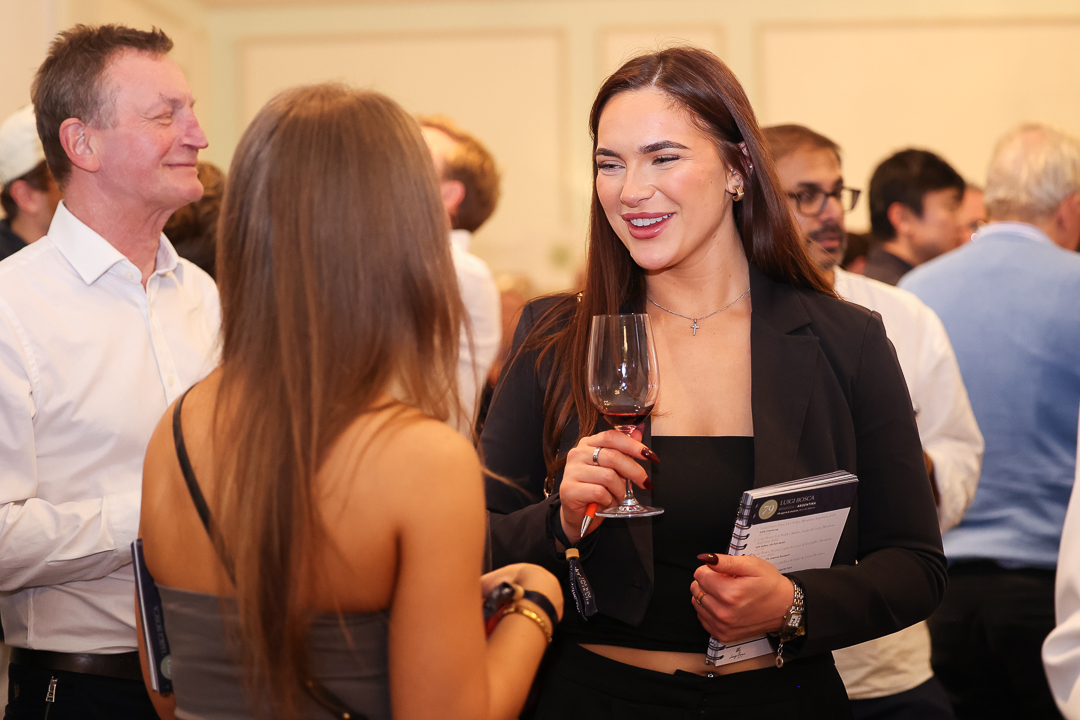
Photographing Wine – Sommeliers in Discussion - guests reacting during tastings
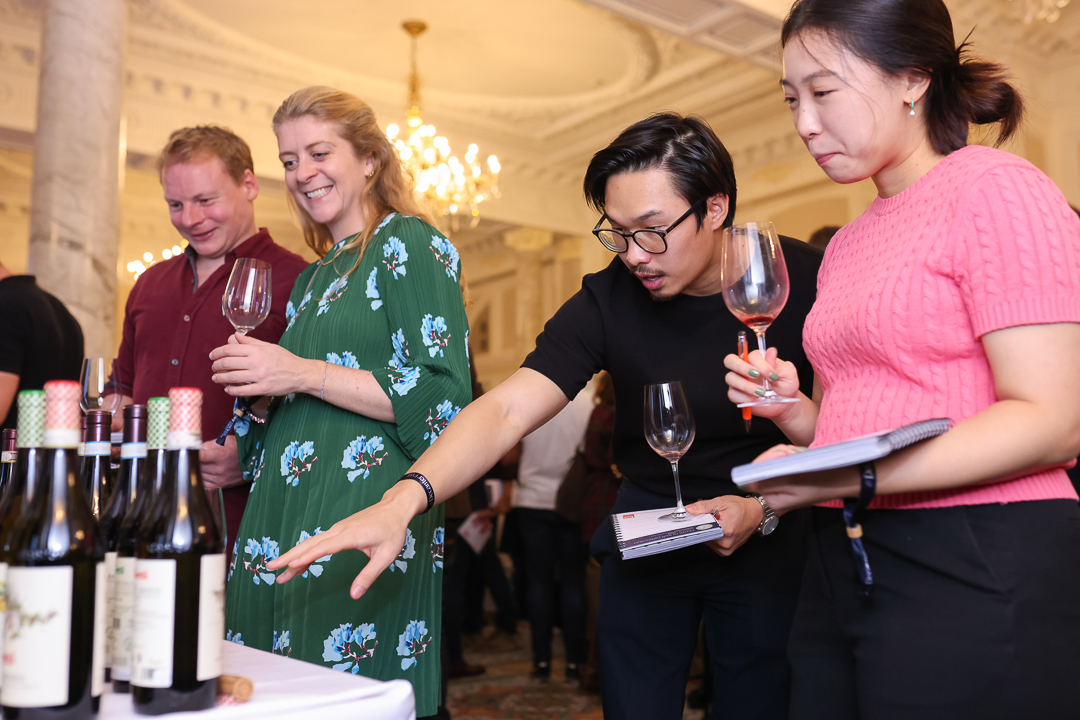
Photographing Wine – Guests reacting in tastings 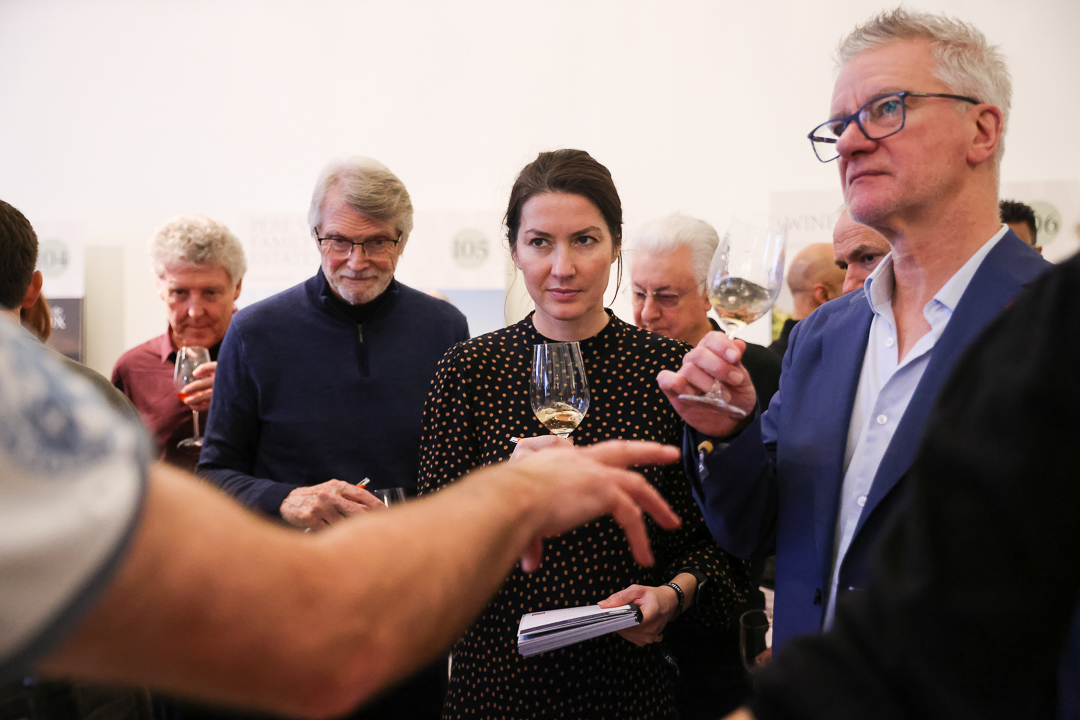
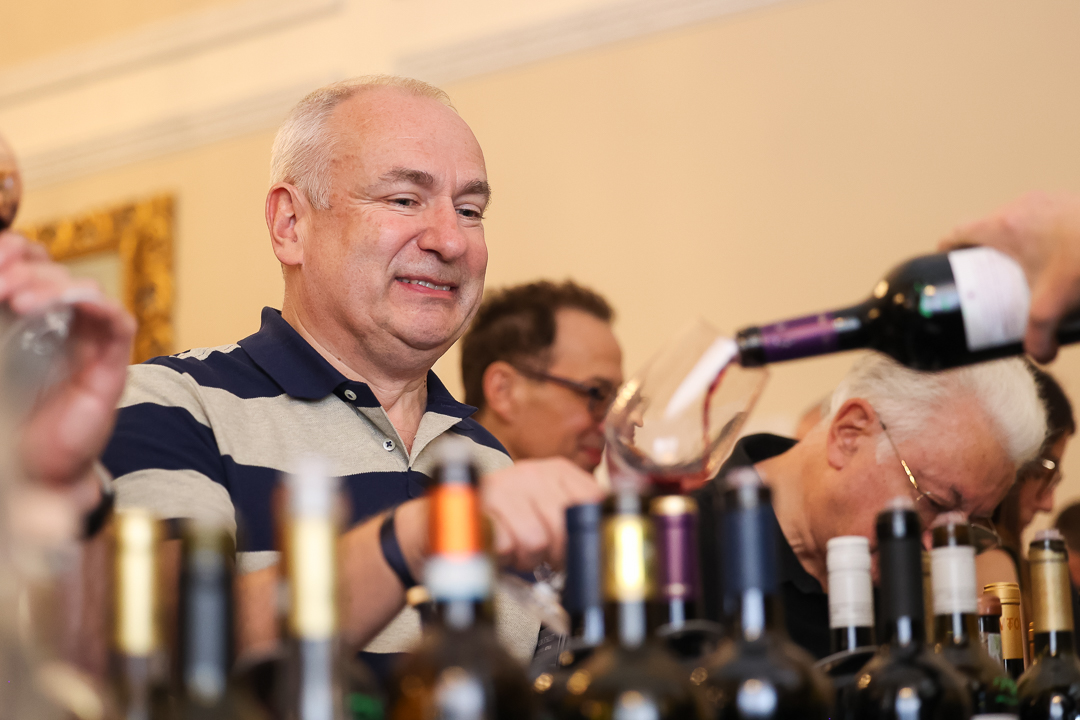
Photographing Wine – Interactions - wine being poured
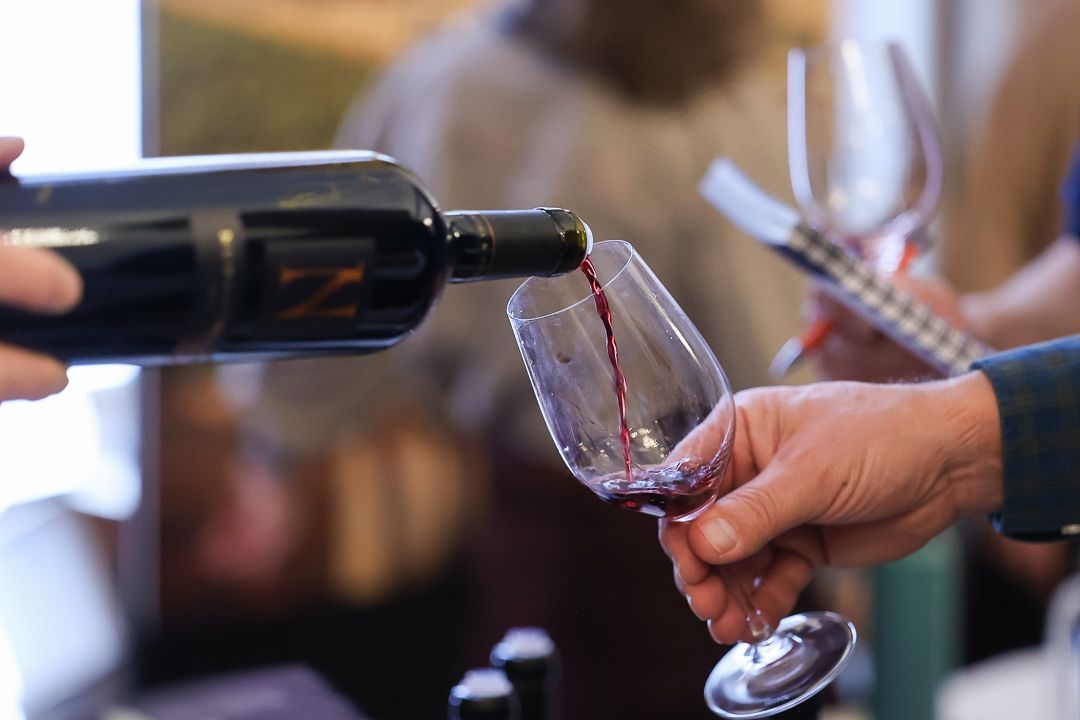
Photographing Wine – Wine being Poured - hands, gestures and table details
-
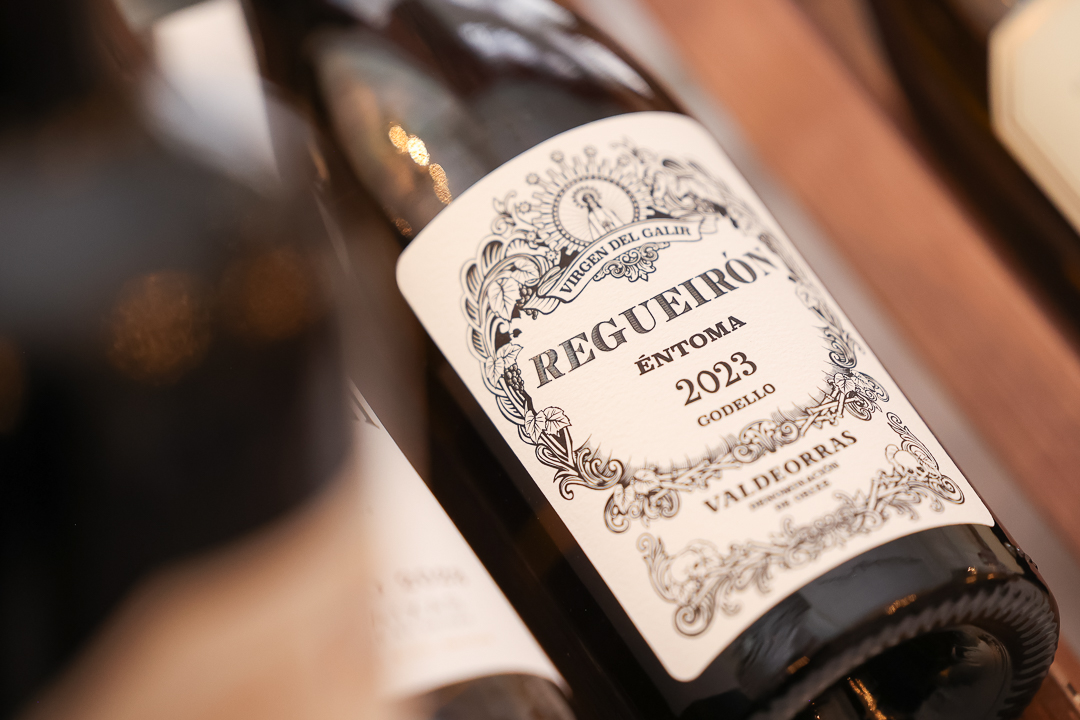
Photographing Wine – Details the relationship between food, wine and environment
Photographing Wine – environment
These details help brands and organisers tell a richer story about the event itself.
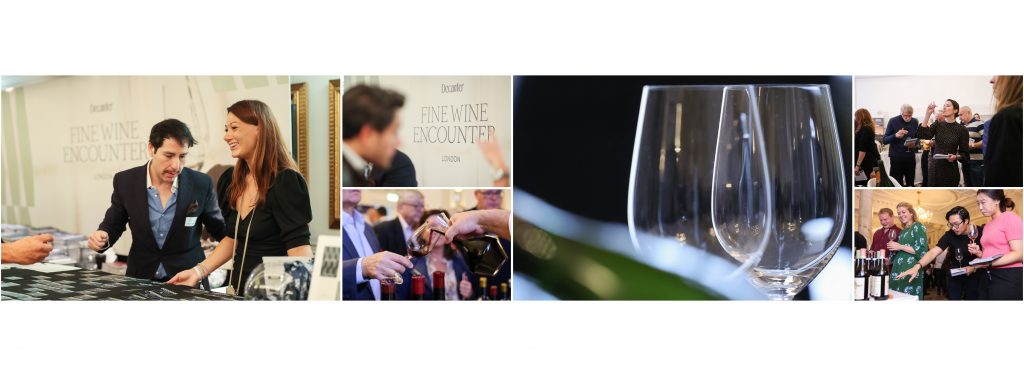
Understanding the Visual Language of Wine
Wine photography has its own visual identity.
Strong wine imagery often combines:
- clean composition
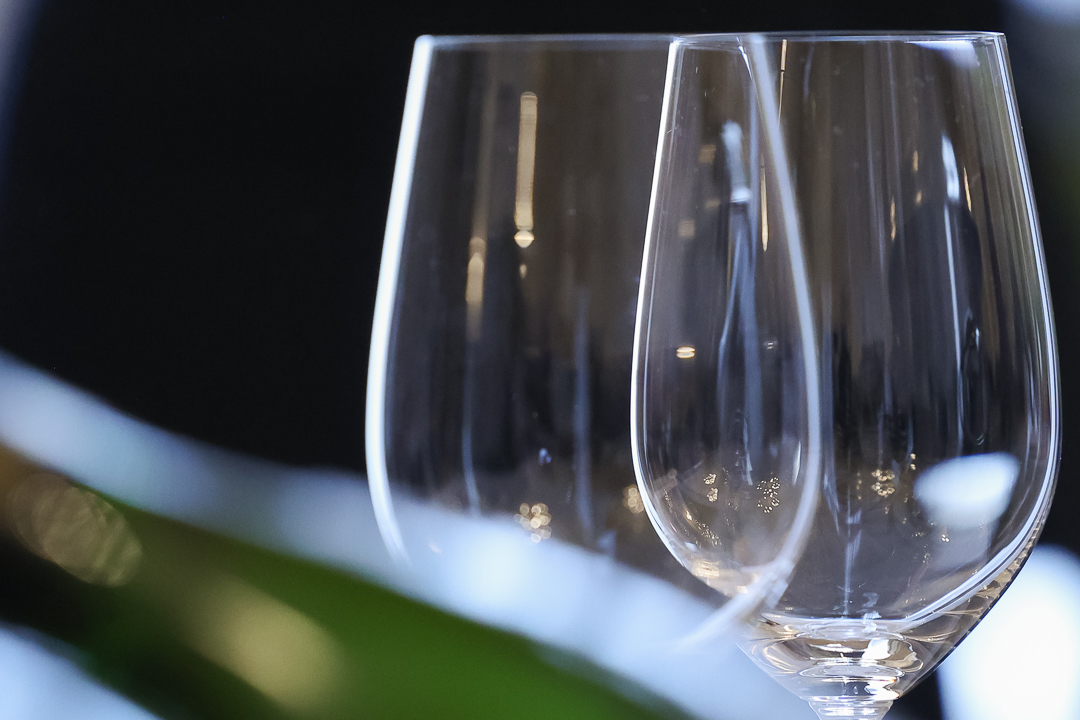
Decanter Wine Photography - careful use of negative space
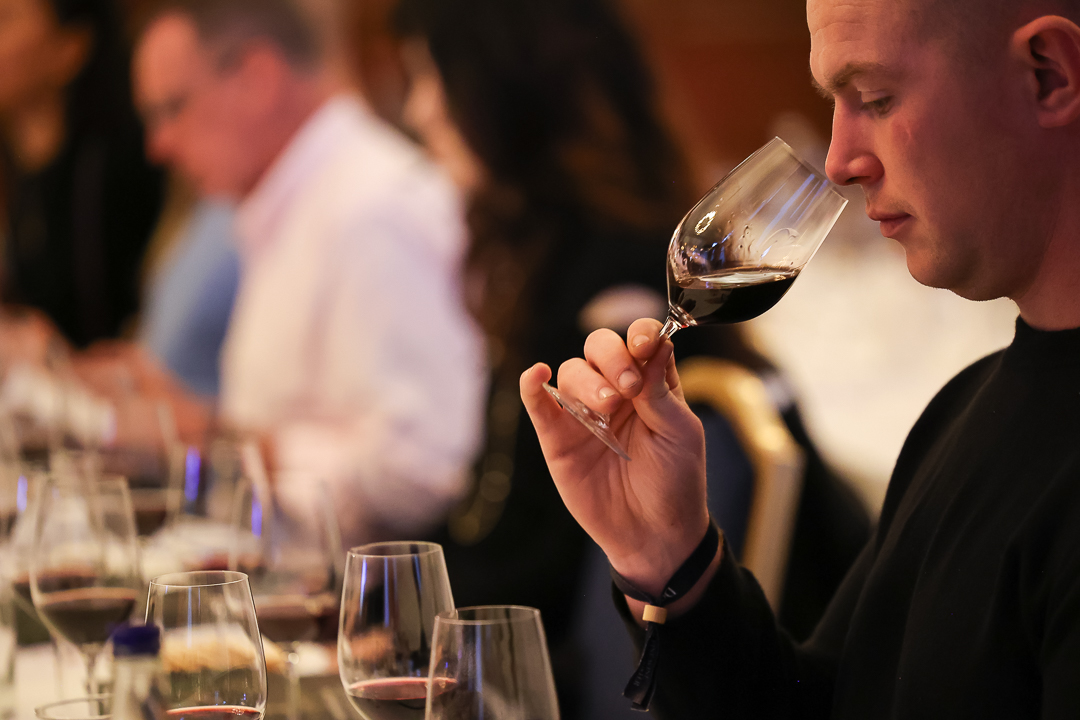
Decanter Wine Photography - warm and natural tones
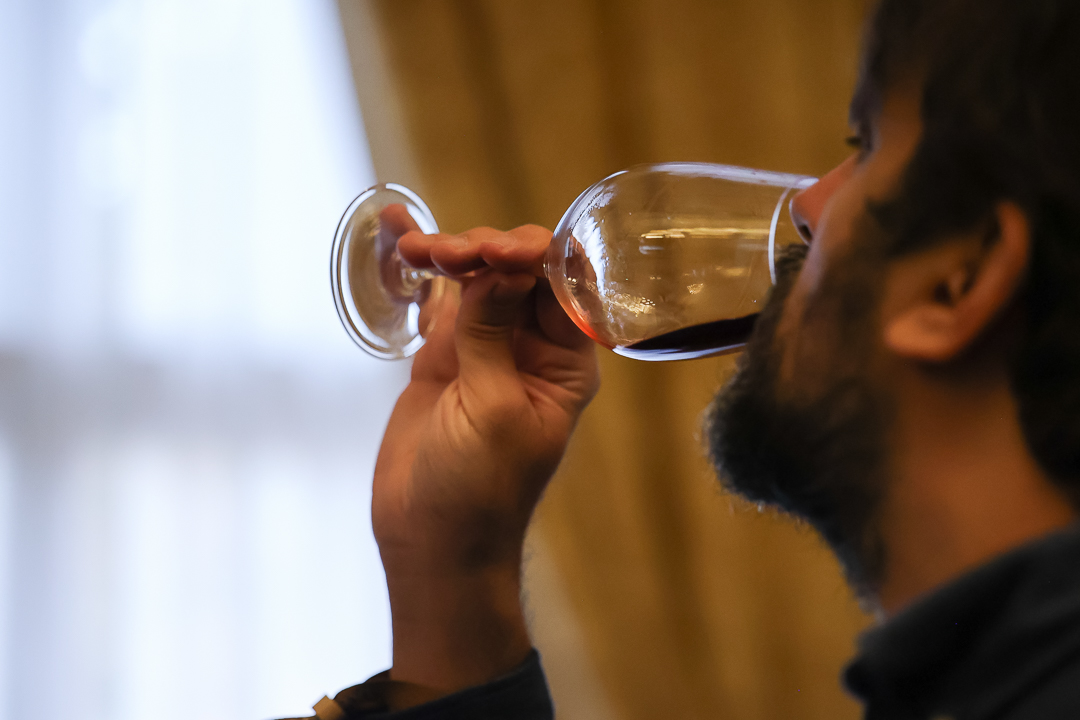
Photographing Wine - texture and depth
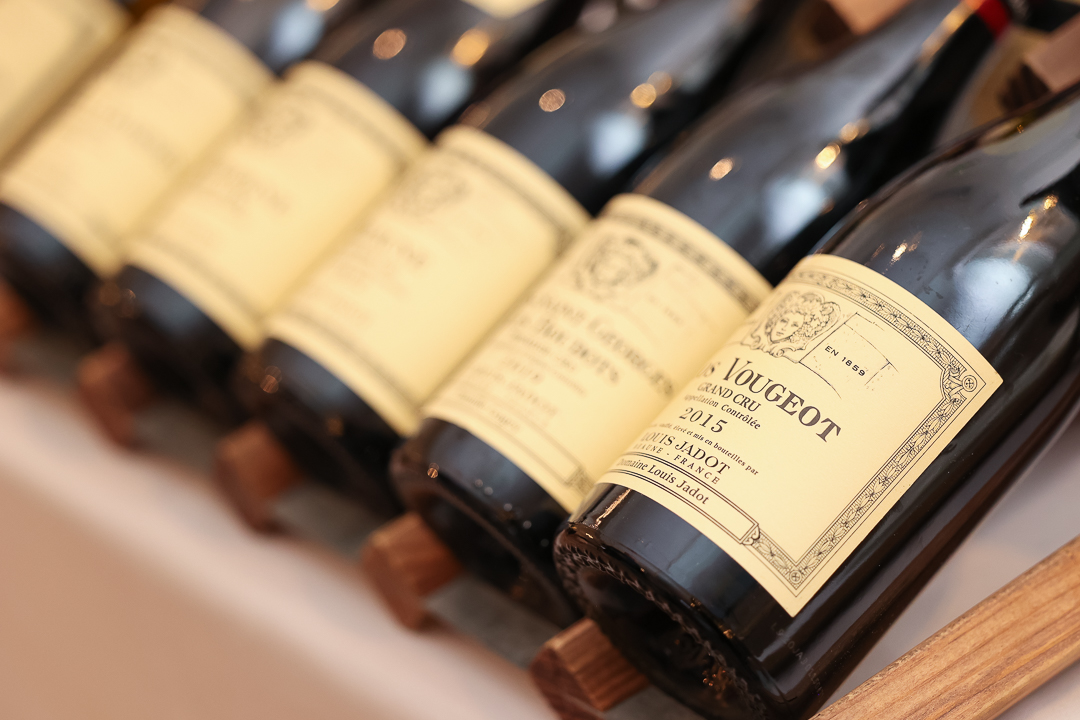
Photographing Wine - controlled highlights on bottles and glassware
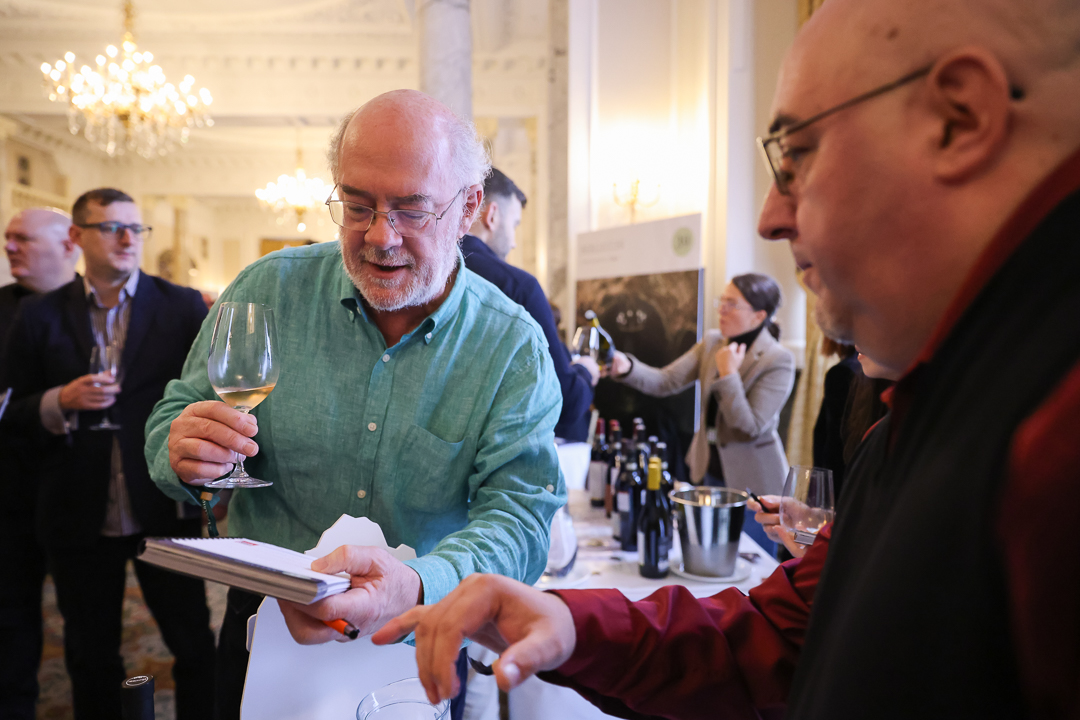
Photographing Wine - documentary-style human interaction
Photographing Wine
Industry publications and specialist wine platforms consistently favour imagery that feels authentic and sensory rather than overly commercial or artificial.
That approach aligns closely with how I photograph events.
My aim is always to create imagery that feels elegant, immersive and honest — photographs that place the viewer inside the experience.
Fast Turnaround for Live Hospitality & Wine Events
For hospitality and wine clients, speed matters almost as much as quality.
I regularly deliver:
- live social media selects during events
- next-day edited galleries
- short-form vertical video content
- high-resolution press-ready imagery
This allows organisers, venues and brands to maintain momentum across social platforms and PR channels immediately after the event concludes.
A Visual Record of Experience
The best wine events are about connection:
between people, stories, regions, craftsmanship and taste.
My role as a photographer is to translate that experience visually — creating photographs that not only document the event, but also communicate its atmosphere and identity long after the final glass has been poured.
 Previous post
Speaking at the Photography Show – Jack of all Frames
Previous post
Speaking at the Photography Show – Jack of all Frames